


Hospitals need uncompromising hygiene and low operating costs. Learn how ISORYX fights healthcare-associated infections and reduces HVAC costs through physical infection control and thermal barriers.
Hospitals and medical facilities today face a double challenge: on the one hand, requirements for infection control and patient safety are rising due to the increase in healthcare-associated infections (HAI). On the other hand, enormous cost pressure is forcing clinics to drastically reduce their operating costs, especially in the area of energy for heating and cooling. ISORYX offers a technological answer that goes far beyond pure optical wall design.
The Threat of Healthcare-Associated Infections (HAI)
Healthcare-associated infections, i.e. infections acquired in connection with a medical measure, are one of the greatest challenges of modern medicine. Millions of patients in Europe contract HAI every year. A major transmission route is contaminated surfaces. Conventional dispersion paints often offer a microporous structure in which microorganisms can lodge. In addition, cold wall surfaces lead to condensation – the ideal basis for mould and bacterial growth.
Physical Infection Control through Reflection-Barrier
The decisive advantage of ISORYX lies in the Reflection-Barrier-Technology. By reflecting over 90% of infrared radiation, the wall surface temperature is significantly increased. This has two decisive effects on hygiene:
- Preventing dew point shortfall: Since the walls remain warmer, no moisture from the indoor air condenses on the surface. Without moisture, mould fungi and many bacteria lack their basis for life.
- Reduced thermals: Due to the uniform surface temperature, fewer air turbulences occur. This minimises the transport of dust and germs adhering to it through the room.
Durability and Cleanability
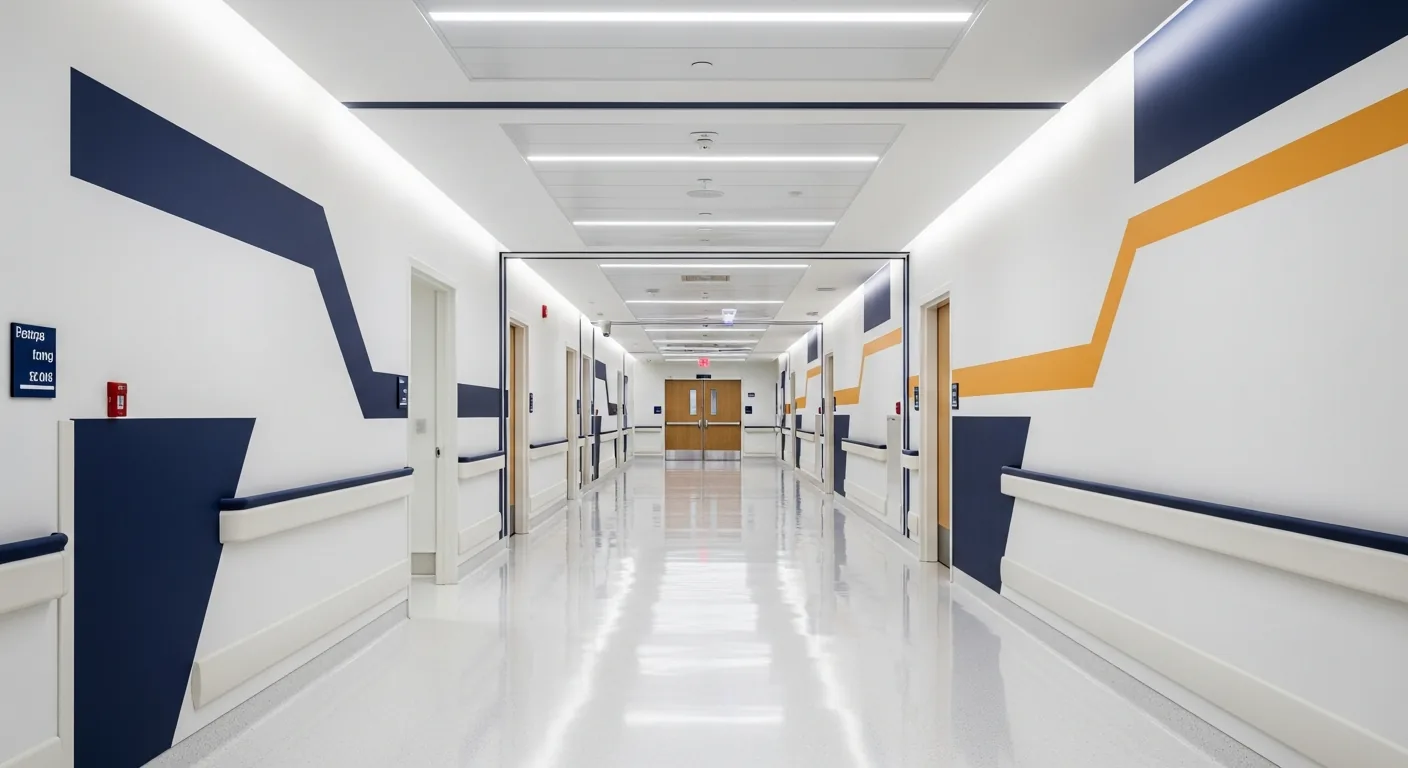
In clinic corridors and patient rooms, walls are exposed to high mechanical loads from beds, wheelchairs and cleaning carts. ISORYX is not only mechanically highly resilient, but also chemically resistant to surface disinfectants common in medicine. The mineral structure remains stable even with intensive cleaning and does not lose its protective properties.
| Criterion | Standard Dispersion | ISORYX Inside |
|---|---|---|
| Antimicrobial Effect | Only through volatile biocides | Permanently physical (ISO 22196) |
| Condensation Protection | None (mould risk) | Active through IR reflection |
| Fine Dust Binding | Low | Very high (low thermals) |
| Energy Efficiency | Neutral | Up to 50% savings in HVAC |
| Disinfectant Resistant | Conditional | Excellent |
| Service Life | 3-5 years | 10+ years |
Energy Efficiency as an Economic Factor
Clinics have an enormous energy requirement due to high air exchange rates and strict temperature specifications. By using ISORYX, the radiant heat exchange is optimised. In winter, heating heat is reflected efficiently; in summer, the heating up of rooms by solar radiation is delayed. This leads to a reduction in energy costs for heating and air conditioning of up to 50% – a decisive contribution to lowering operating costs (OPEX).
Application Areas in Healthcare
ISORYX is optimised for a variety of medical applications:
- Patient rooms & wards: Improvement of indoor climate and reduction of germ load.
- Operating theatres & procedure rooms: Minimisation of particle emissions and easy disinfectability.
- Sanitary rooms & wet cells: Effective protection against moisture damage and mould infestation.
- Laboratories & cleanrooms: Low-dust surfaces due to minimised electrostatic charging.
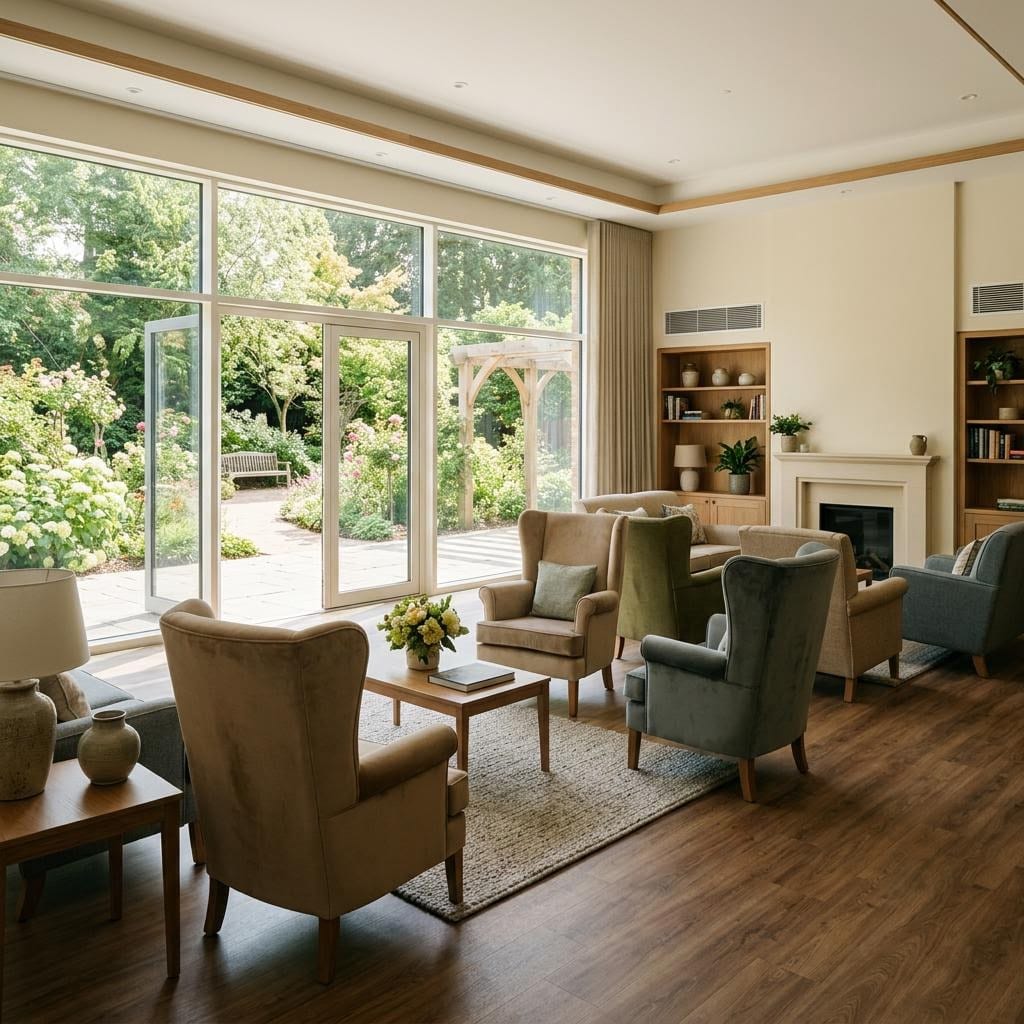
- Nursing homes & rehab clinics: Creating a healthy, low-allergen living atmosphere.
The implementation of ISORYX in our hygiene strategy has not only increased surface safety but also noticeably improved the indoor climate for our patients.
Frequently asked questions
How does ISORYX contribute to the reduction of healthcare-associated infections (HAI)?
Thanks to its mineral-alkaline surface tested to ISO 22196, ISORYX provides no breeding ground for germs and bacteria. Furthermore, the Reflection-Barrier-Technology prevents condensation on walls, eliminating the primary cause of microbial growth.
Is the coating resistant to clinical disinfectants?
Yes, ISORYX was specifically developed for use in highly sensitive areas and is resistant to common hospital cleaning and disinfecting agents without losing its protective properties.
Can ISORYX be applied during ongoing clinic operations?
Since ISORYX is water-based, solvent-free (Low-VOC) and virtually odourless, application can usually take place without evacuating entire wards. Short drying times minimise room downtime.
Does ISORYX also work against multi-drug resistant germs (MRSA)?
Testing according to ISO 22196 confirms the significant reduction of germ colonisation on the surface. The physical principle of action (dry, alkaline surface) makes the growth of bacteria, including resistant strains, massively more difficult.
How long does the protective effect of ISORYX last?
In contrast to biocidal paints whose active ingredients wash out or degrade over time, ISORYX protection is based on the physical properties of the mineral structure. The effect remains throughout the entire service life of the coating (10+ years).
Does ISORYX help in reducing energy costs in clinics?
Yes, the IR reflection increases the efficiency of HVAC systems. Savings of up to 50% in heating and cooling costs are possible because thermal comfort is achieved with lower energy input.
Is ISORYX suitable for cleanrooms and operating theatres?
Yes, ISORYX is emission-free (Low-VOC) and minimises particle release through air currents due to thermal stability. The smooth but vapour-open surface is ideal for the strict requirements in cleanroom environments.
How does the coating behave at high humidity?
ISORYX is highly diffusion-open (v-value). It lets the wall 'breathe' and can buffer moisture peaks without causing condensation or mould on the surface. Ideal for patient wet cells.