Use cases
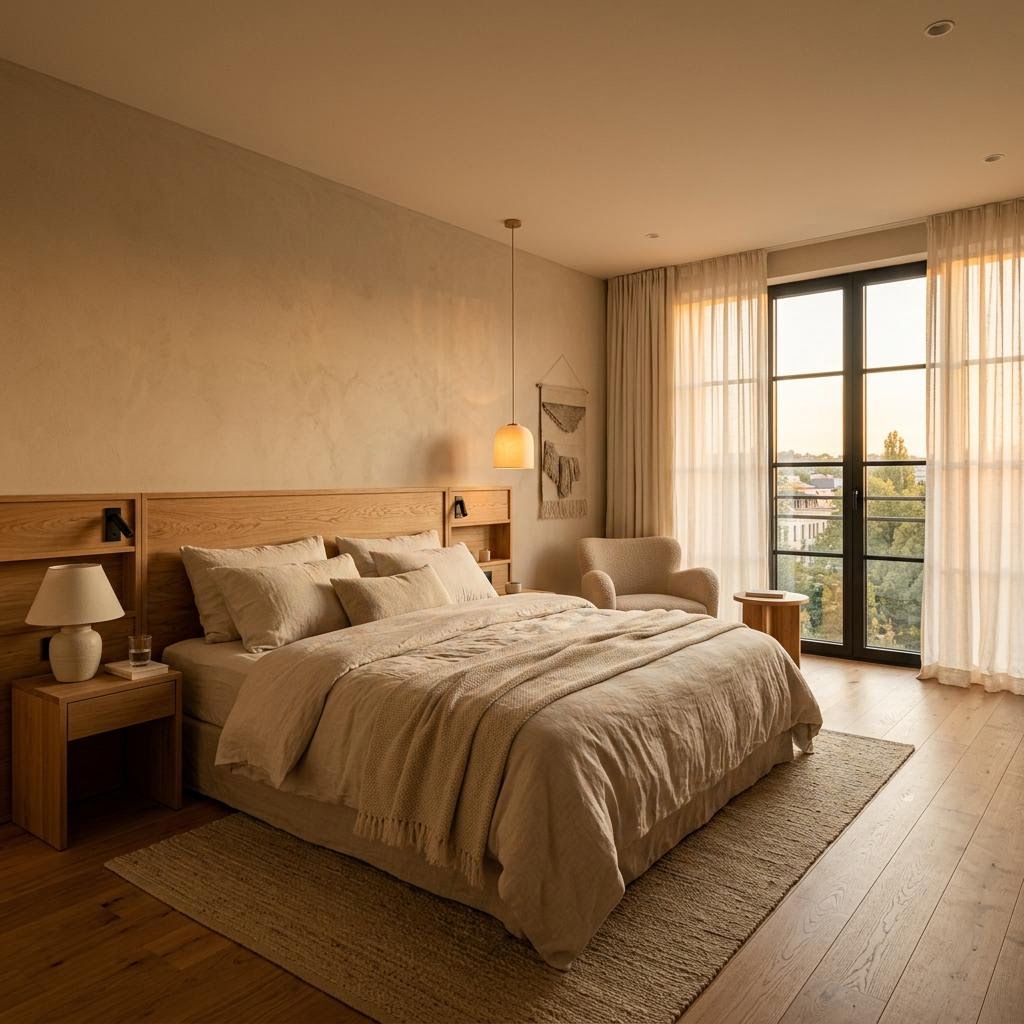 HotelsGuest comfort, indoor climate and hotel applications.
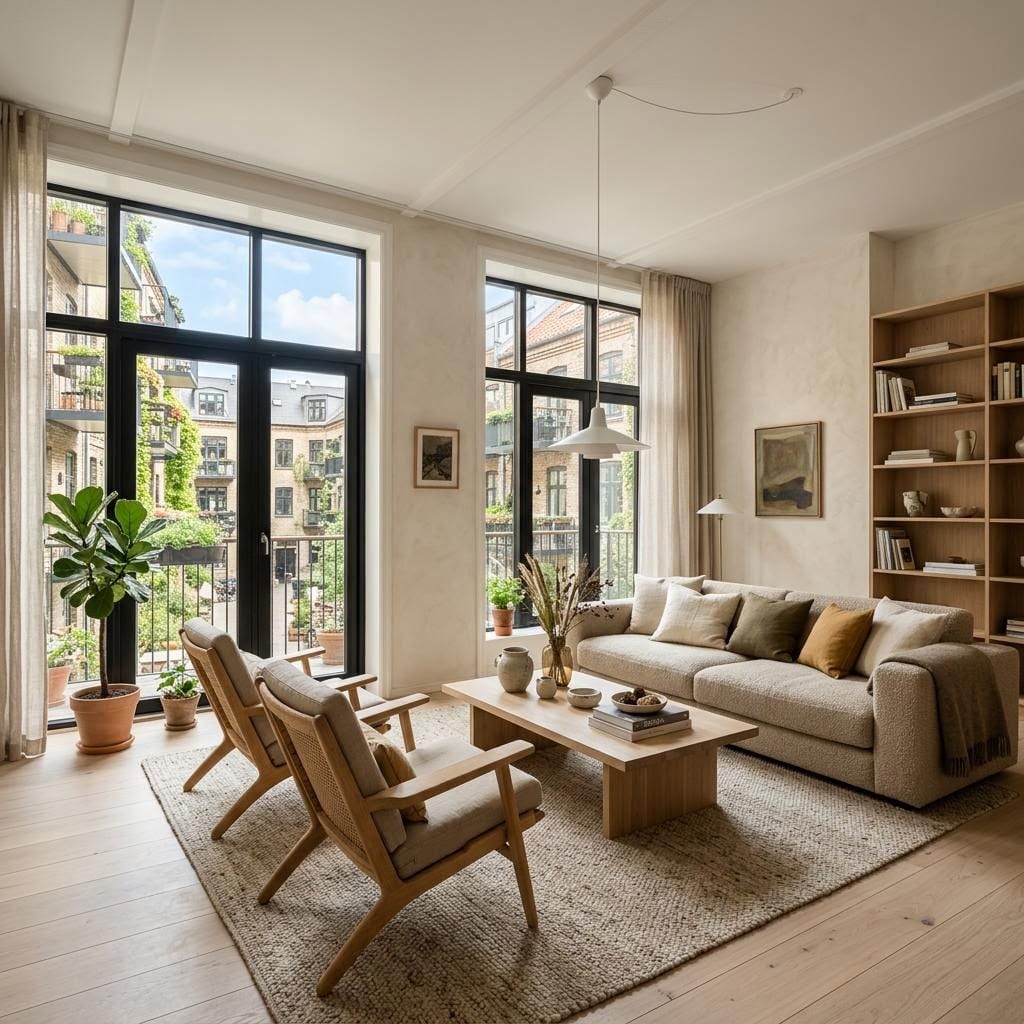 Homes & apartmentsCoat houses and apartments for comfort, without a rebuild.
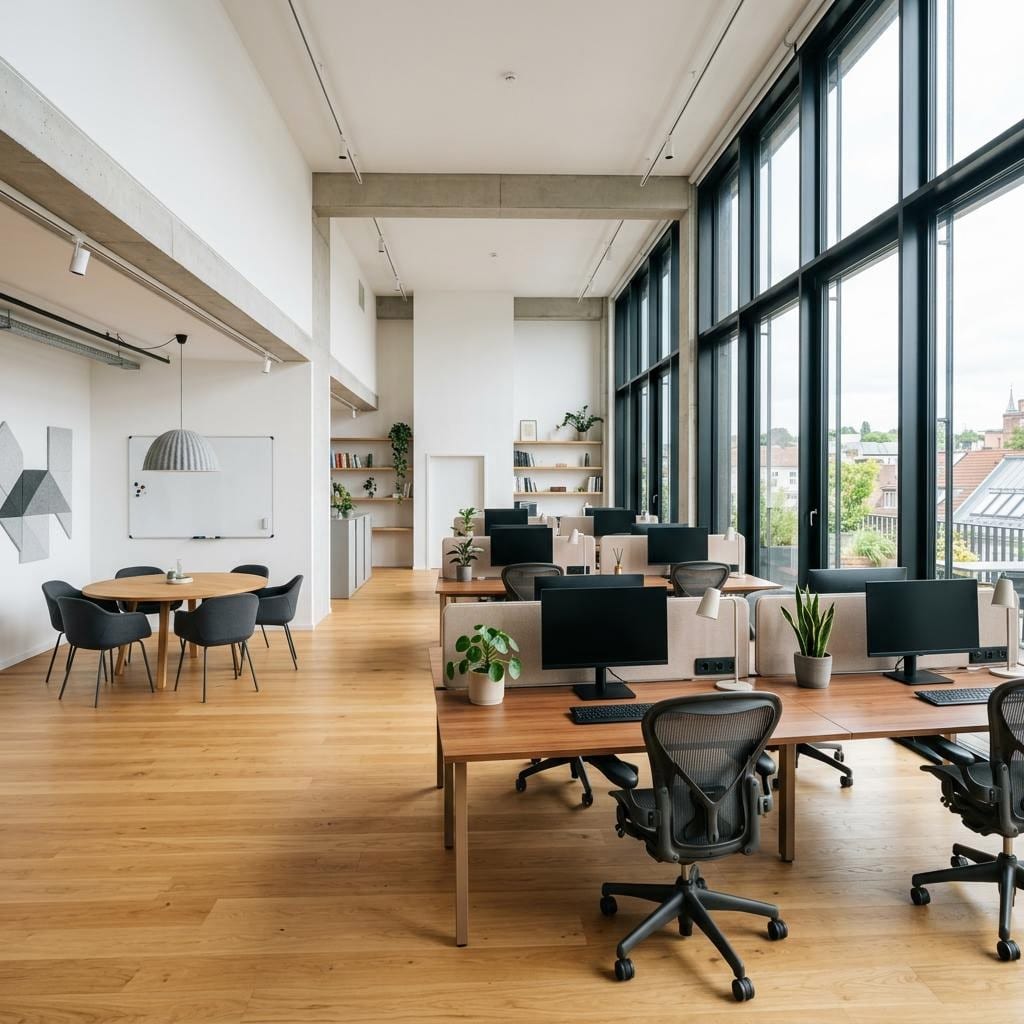 OfficesWorkspaces, meeting zones and facades while you keep working.
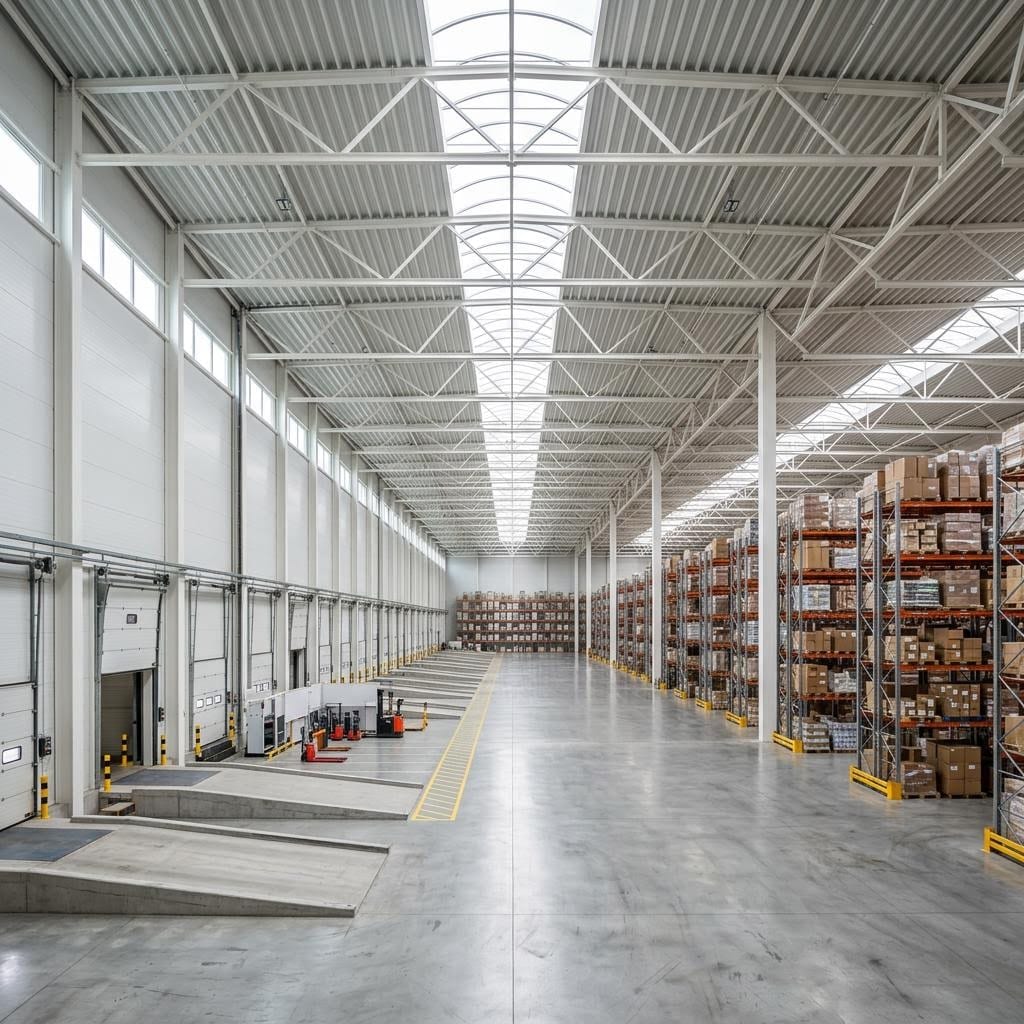 Industrial & logisticsHall walls, cladding and staff areas.
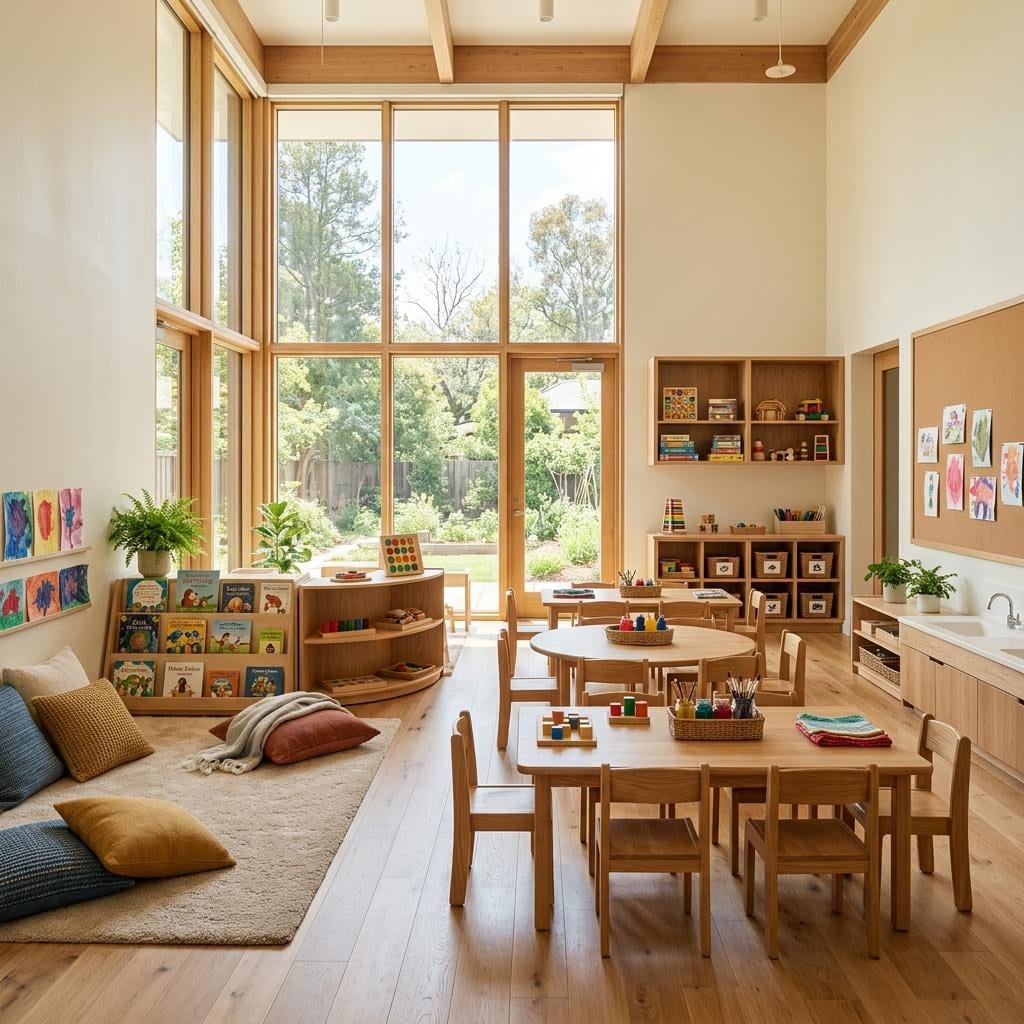 Schools & childcareClassrooms, group rooms, gyms and facades.
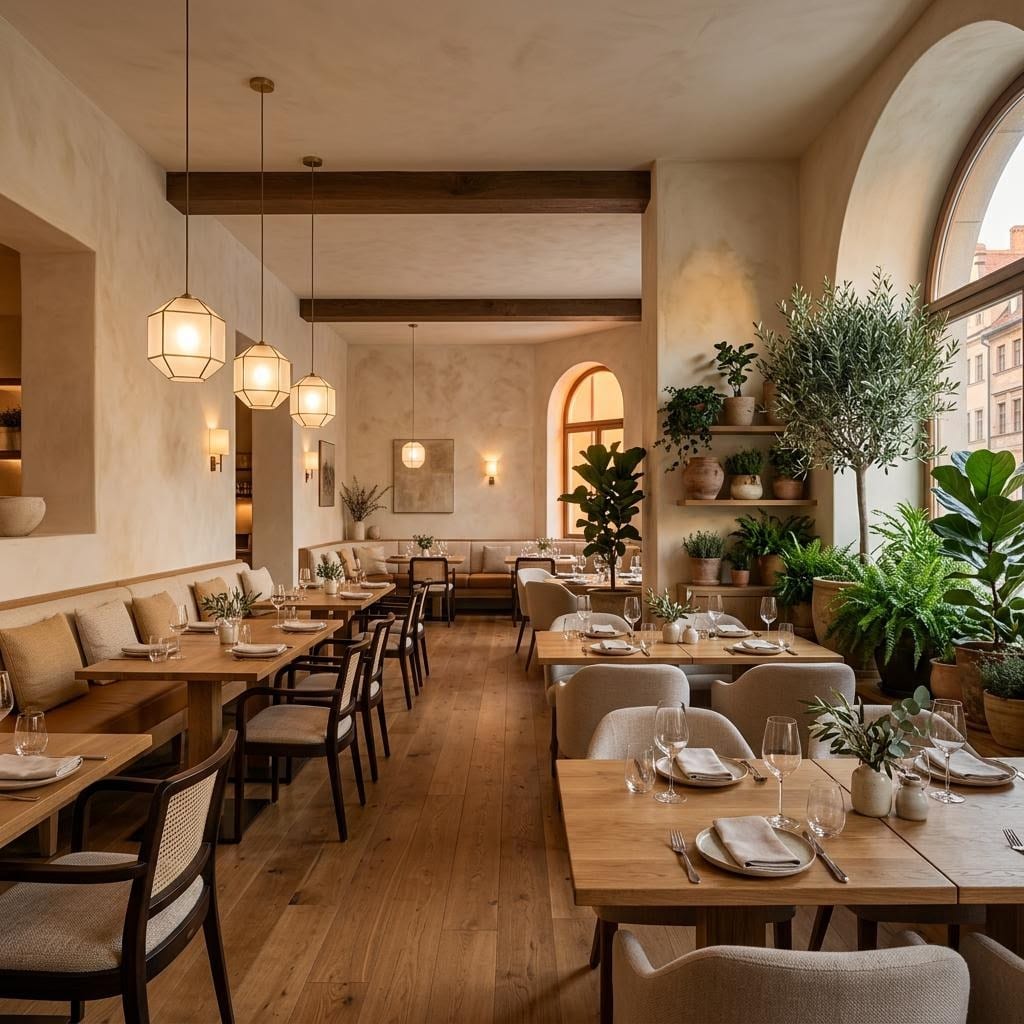 RestaurantsDining room, kitchen, storage and terrace.
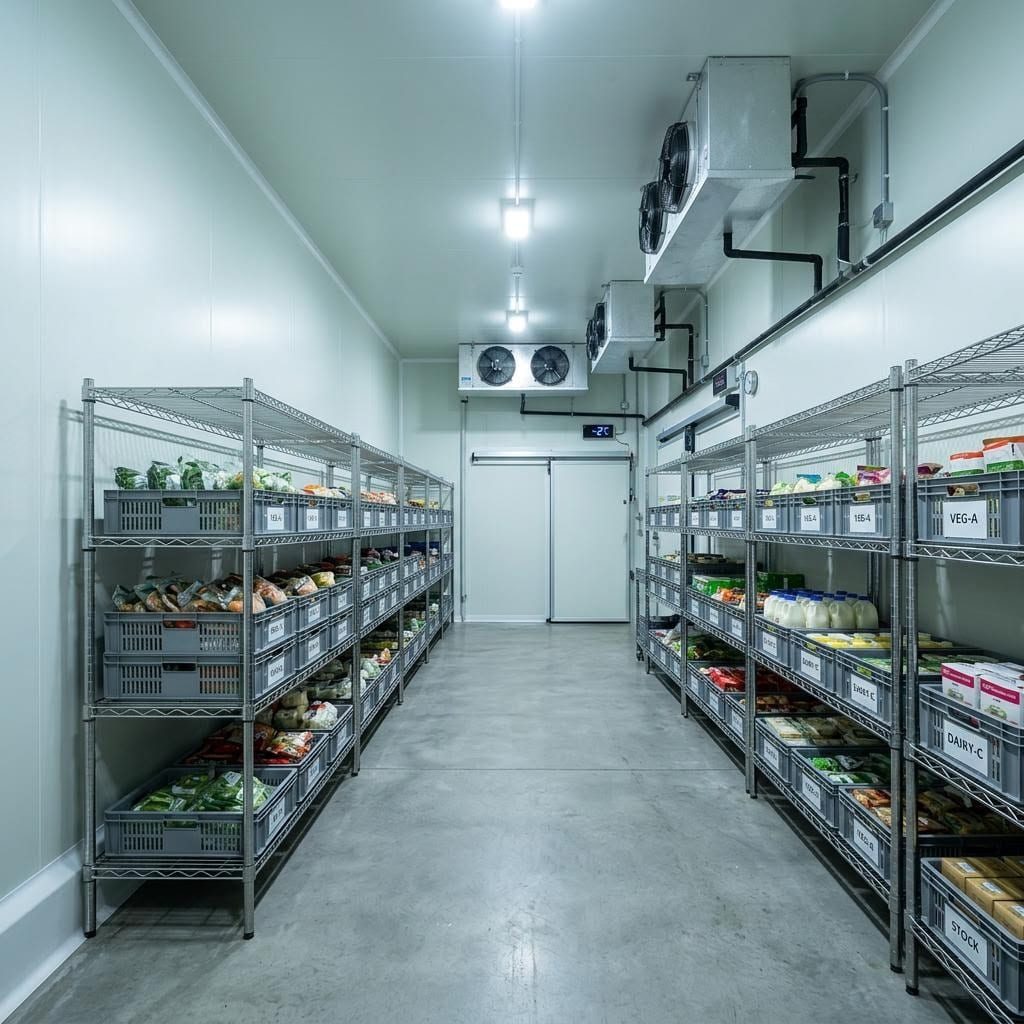 Cold storage & food facilitiesCold surfaces, condensation and Dry Cool.
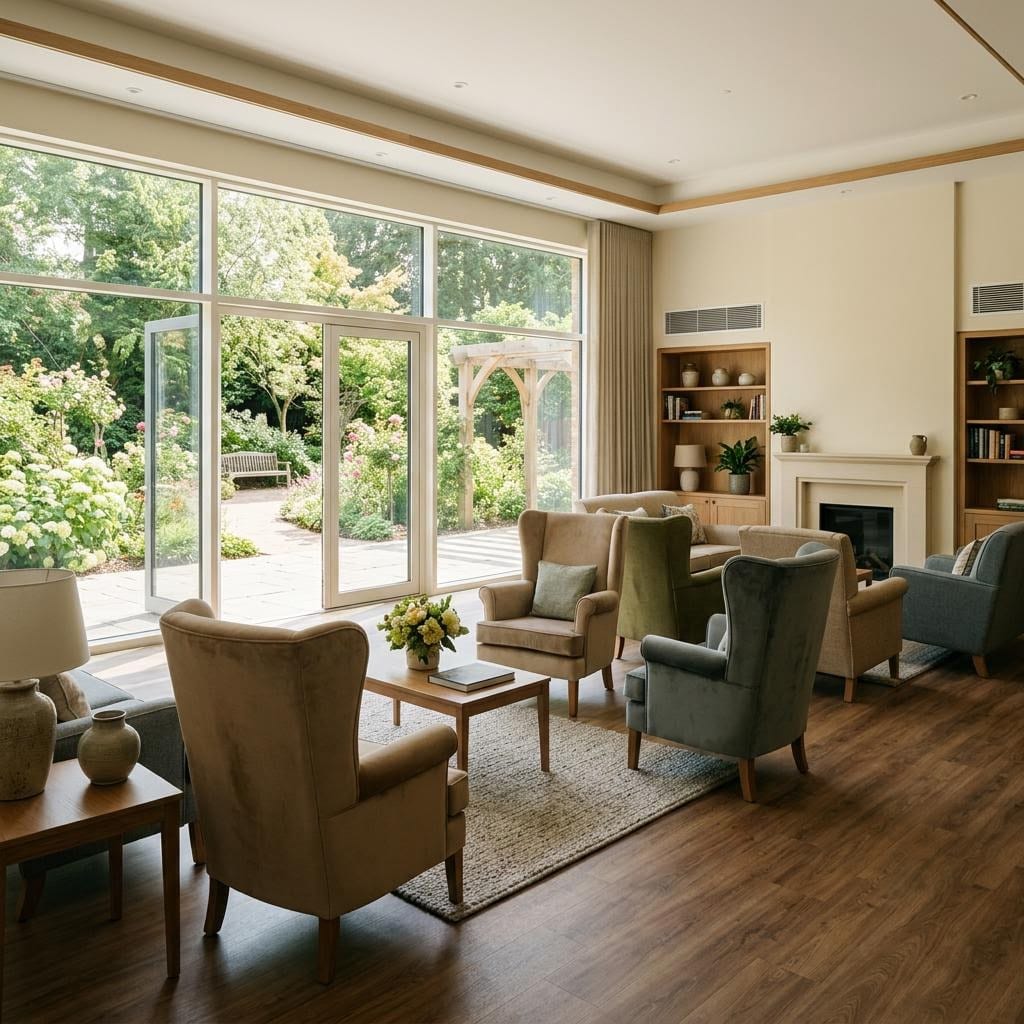 Senior careResident rooms, common areas and bathrooms.
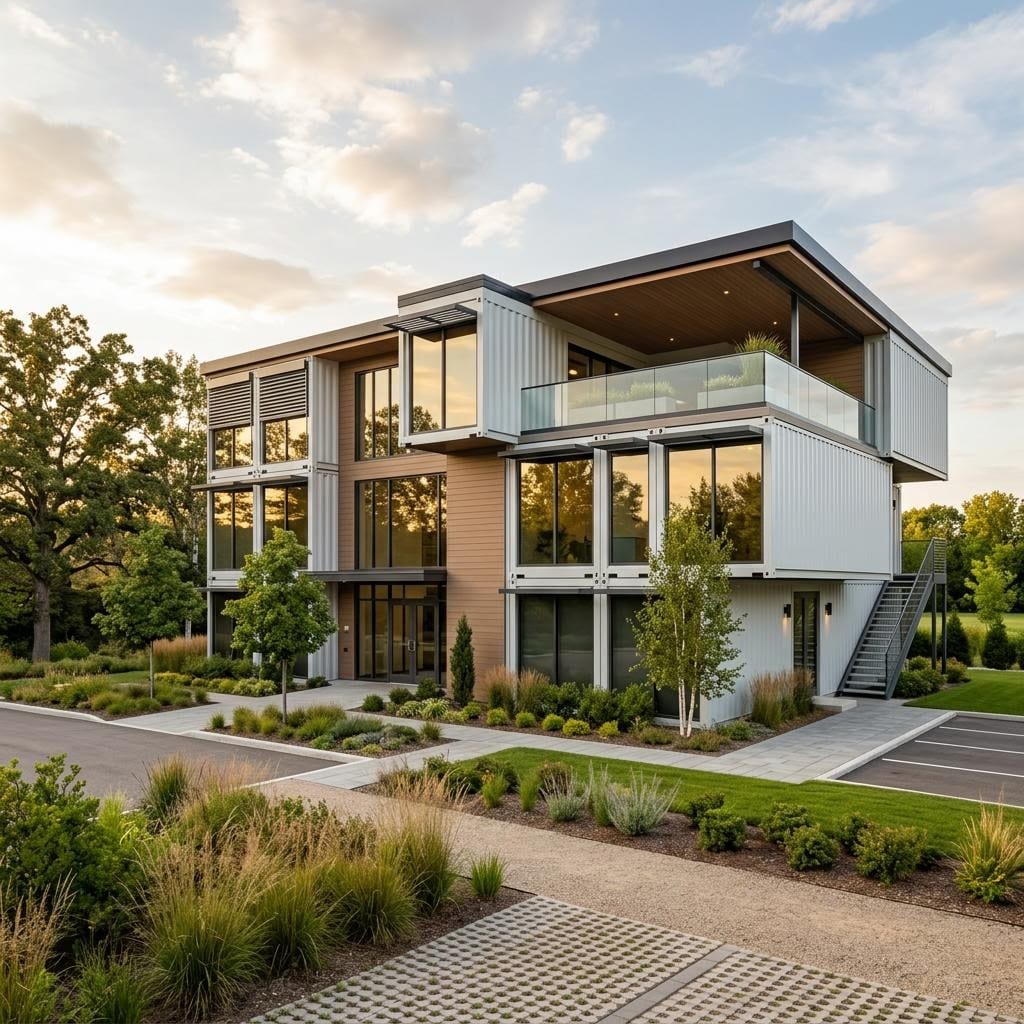 Containers & modular buildingsOffice, living and sanitary containers.
ISORYX Reflection-Barrier-Technology vs. liquid ceramic.
Neutral comparison based on an AI analysis (Claude 4.6 Opus, as of 05/03/2026): working principle, performance, certifications and cost calculation.
Two technologies, two working principles.
ISORYX is built on reflection on a silicone resin basis, liquid ceramic on microspheres in acrylate. The result: fundamentally different properties.
Reflection-Barrier-Technology
Silicone resin with mineral fillers reflects IR and UV radiation on the surface. Instead of insulating, heat transfer is dramatically reduced at the wall itself.
- IR reflection > 90 %, UV reflection > 90 %.
- Hydrophobic and at the same time vapour-permeable.
- Mineral, antimicrobial, mould-resistant.
- Layer thickness from 0.40 mm – no loss of space.
Microsphere technology
Acrylate dispersion with ceramic vacuum hollow spheres (∅ 20–120 µm). Insulation comes mainly from the low thermal conductivity of the spheres in a thicker layer.
- IR reflection 30–80 %, depending on the product.
- Layer thickness 0.5–3 mm in 2–4 coats.
- Acrylate base; diffusion and weather resistance vary.
Eight key figures, side by side.
Figures based on manufacturer specifications, accredited fire tests (MA 39 Vienna) and independent 2026 market data.
Where ISORYX is clearly ahead today.
- Mineral silicone resin base – higher technical quality than acrylate dispersions.
- Antimicrobial effect – a clear additional benefit, especially in healthcare.
- Fire tests by an accredited body (MA 39 Vienna) – rare for liquid ceramics.
- System approach – Primario + Inside/Outside as a coordinated system.
- Full biocide transparency in the safety data sheet.
- Residential medicine certificate as an additional health assessment.
Where liquid ceramic can score.
- Measurable (if low) conductive insulation effect from vacuum microspheres.
- Longer time on the market, more documented practical experience.
- Often cheaper per litre (depending on the manufacturer).
60–72 % lower material cost per m².
End-customer prices 2026: at a comparable price per litre, ISORYX needs significantly less material – which translates directly into a lower cost per square metre.
Interior 150 m² + façade 200 m²
Interior 2,000 m² + façade 800 m²
Calculation based on 2026 end-customer prices including Primario; liquid ceramic in the mid-range segment. Labour costs not included – application effort is comparable.
Technologically superior, with a clear economic edge.
ISORYX positions itself as a technologically superior alternative to classic liquid ceramics – thanks to its mineral silicone resin base, proven antimicrobial properties, independent fire tests, excellent vapour diffusion and a coordinated product system. The 2026 price comparison confirms the clear advantage: 60–72 % lower material costs per m² with a wider functional scope (hygiene, fire protection, cold-storage suitability) on top.
Ready to put numbers on your ISORYX project?
Order directly online or head back to the home page to see the full story.